

Boise Commercial Real Estate Update January 2026
January 2026 in Idaho commercial real estate is not a story of headlines; it is a story of underwriting discipline and deal execution. The financing environment stabilized in late January when the Federal Reserve held the federal funds target range at 3.50% to 3.75%, which helps lenders quote more consistently than during the most volatile rate-reset periods. But stable policy rates do not automatically translate into easy proceeds. In today’s Idaho CRE, the deals that close cleanly are the ones where unknowns are resolved early: property condition, code and accessibility scope, utilities and entitlement constraints, and realistic cost-to-cure.
Boise metro remains the state’s underwriting bellwether, and the most current institutional snapshots entering January still point back to Q4 2025 market conditions. Industrial vacancy in Boise rose to 9.1% in Q4 2025, with the increase attributed to a steady influx of speculative supply. That one metric has outsized due diligence implications. When vacancy rises because new product delivers, tenants gain options. Options shift negotiations, which shifts lease-up schedules and the level of tenant improvement needed to win deals. For lenders and buyers, this is where diligence pays for itself: confirming power, HVAC performance, roof remaining life, and code compliance reduces the chance that “tenant-ready” becomes a costly midstream surprise.
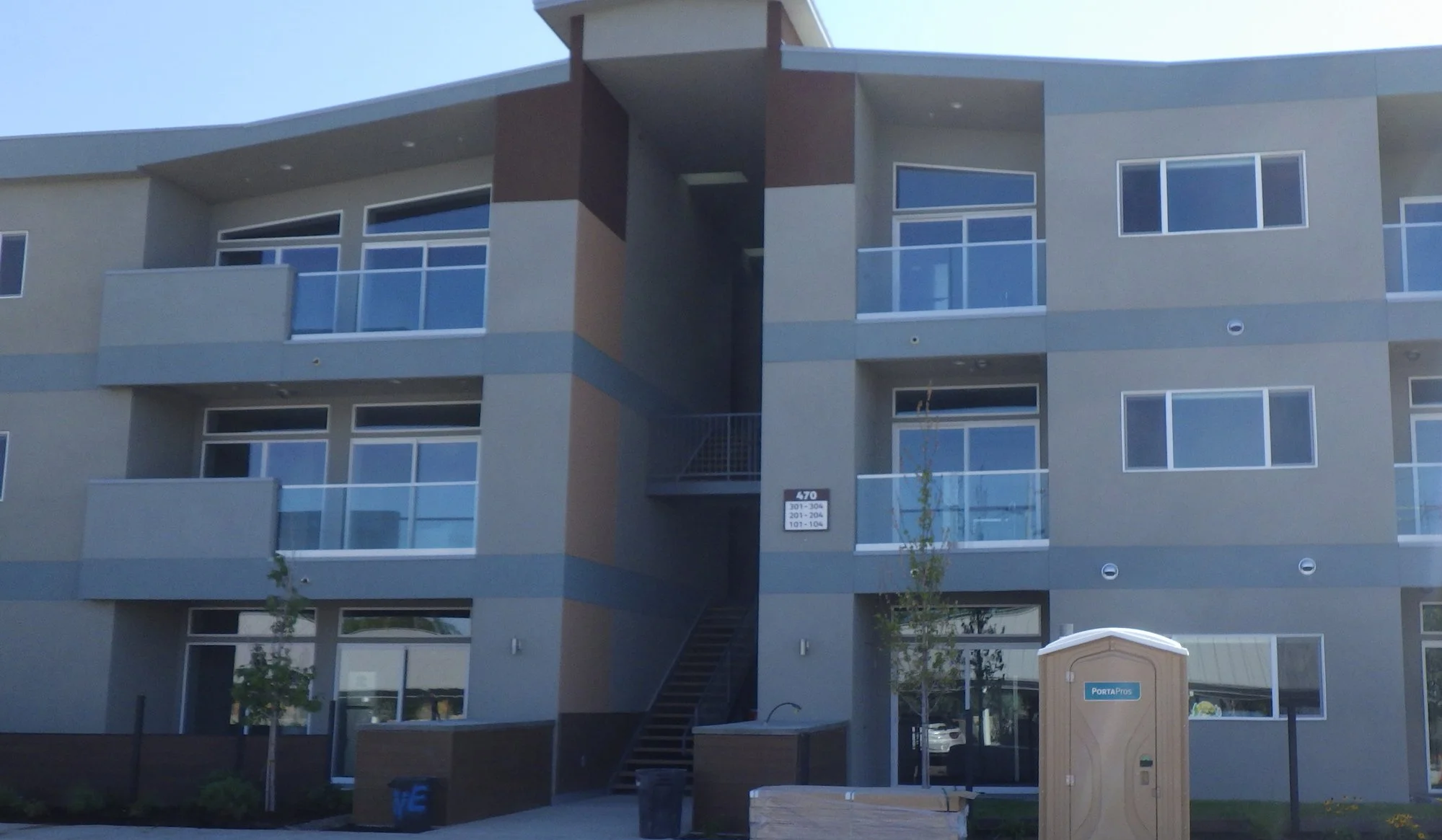
Multi-family New Construction Boise, ID
Office and retail tell a more nuanced story. Boise office vacancy was reported at 11.5% in Q4 2025, unchanged quarter-over-quarter but higher year-over-year. Retail remained comparatively tight at 4.2% vacancy in Q4 2025. For underwriting, “tight retail” does not mean “low diligence.” Older retail shells can hide large capital needs—roofs, HVAC, electrical capacity, and accessibility pathways—that materially affect cost-to-cure and the borrower’s ability to execute a business plan without covenant stress. Office has its own condition-driven traps: underperforming HVAC and ventilation, deferred façade/envelope issues, and life-safety gaps can turn an otherwise reasonable basis into a budget problem. The lesson is the same across both types: in a selective lending market, condition clarity is leverage.
Labor conditions also continue to matter in Idaho, not as a headline but as a budget line. The Idaho Department of Labor’s regional reporting compiled through late January showed Southwest Idaho’s labor force growing year-over-year and advertised wages increasing, reinforcing that demand for talent remains strong. For CRE, this shows up in two places. First, tenant demand: a growing labor pool supports occupied buildings, particularly in markets that continue to attract employers and workers. Second, execution risk: tight labor and wage pressure can raise operating expenses and construction labor costs, which can widen the gap between a borrower’s early renovation budget and the bids that arrive later. When that gap appears after term sheets are signed, deals slow down. When it is addressed in diligence, deals close.
What did January transaction evidence suggest? Public reporting in mid-January in the Boise region included multiple industrial leases and renewals and several smaller purchases, including a large industrial lease (71,359 SF) in Boise Gateway Industrial Park. This fits the broader pattern: users and tenants are still transacting, but they are choosing carefully, and lenders are underwriting to realistic cash flow and realistic CapEx. Leases and renewals are also a useful signal for diligence teams: they often trigger landlord work, fire/life-safety verification, and accessibility considerations that should be coordinated early to prevent occupancy delays.
Development and entitlement are another area where execution certainty matters more than optimism. In growth corridors, municipal utilities and timing constraints can materially affect delivery schedules. Prior local reporting in Ada County’s Southwest Boise area highlights how entitlement progress can coexist with infrastructure constraints, which is a reminder that “approved” is not the same as “deliverable on the borrower’s timeline.” For lenders, the diligence takeaway is practical: confirm utilities, confirm any moratoria or capacity limitations, confirm off-site requirements, and price the time risk appropriately. For buyers, it means aligning inspection timing with the real critical path, not the hoped-for one.
Regulatory and code compliance is the final piece of January’s theme. Idaho’s January 7, 2026 Administrative Bulletin includes building-safety rule activity pending legislative review. For the market, the point is not the politics of rulemaking; it is the underwriting consequence. Renovations, change-of-occupancy projects, and repositioning work are where code interpretation and local amendments can materially change scope. If you discover late in the process that a change of use triggers substantial upgrades—fire separations, alarm and suppression work, accessibility pathway modifications, or energy/code items—your cost-to-cure can move enough to change loan proceeds or even deal viability. The safest path is to verify the code edition and local amendments early and coordinate the PCA scope accordingly.
So what should lenders, investors, and owner-users do with January 2026’s signals? Treat diligence as the tool that buys certainty. If industrial vacancy is rising, confirm the building can compete. If office and retail are stable but selective, confirm condition and compliance are not hiding “phantom CapEx.” If labor remains tight, assume budgets need contingencies and schedule buffers. And if a project touches renovation or change of occupancy, verify code and life-safety triggers early so the scope is known before financing hardens.
Calibre’s role in this environment is straightforward: deliver clarity on building condition, environmental risk, and compliance so underwriting is based on verified facts, not assumptions. In January 2026 Idaho CRE, that is what shortens timelines, reduces re-trades, and protects both borrower liquidity and lender outcomes.